

Who Actually Makes Money When You Visit a Destination? The Hidden Economics of Tourism
Every vacation creates an economic chain involving airlines, hotels, booking platforms, tour operators, local workers, and small businesses. But not all the money travelers spend stays in the destination they visit. This article explores how tourism revenue is distributed, what tourism economic leakage means, why local ownership matters, and how travelers can help ensure more of their spending benefits local communities, including those in Nepal.
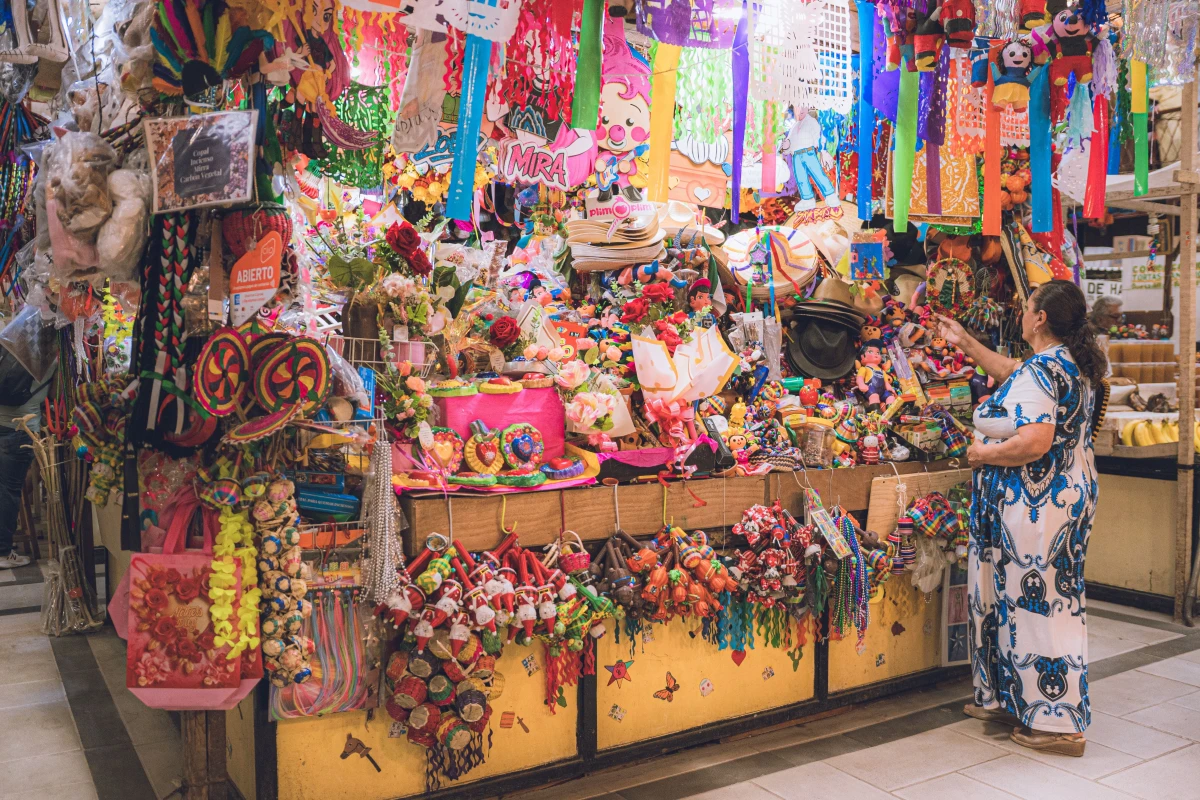
When you book a vacation, you probably think about how much the trip will cost you. You compare flight prices, check hotel reviews, look for affordable restaurants, and decide how much money to set aside for activities.
But have you ever wondered where all that money actually goes?
Imagine spending $2,000 on a vacation. You pay for flights, accommodation, transportation, meals, guided tours, and a few souvenirs. By the time you return home, most of that money is gone.
Yet the hotel owner, airline, restaurant worker, tour guide, booking platform, taxi driver, and local shopkeeper may all have received very different portions of what you spent.
Some businesses may earn a healthy profit. Others may only receive a small payment for their services. And some of the money might never reach the destination at all.
This is one of the most interesting parts of the tourism industry: A destination can attract thousands of visitors and generate millions in tourism spending, but that does not mean everyone living there benefits equally.
Behind every vacation is an economic system involving businesses, workers, investors, intermediaries, and local communities. Understanding who gets paid—and who gets left with relatively little—can change the way we think about traveling.
Your vacation money travels further than you do
Let's start with a simple example.
You decide to visit a popular destination and spend $2,000 during your trip.
You might assume that most of this money goes to the country you are visiting. After all, you are sleeping in its hotels, eating its food, visiting its attractions, and using its transportation services.
But tourism spending rarely stays in one place.
Your airline might be headquartered in another country. Your hotel could belong to an international chain. Your accommodation booking might have come through a global platform. Your tour operator may work with suppliers based outside the destination.
Even a meal at a local restaurant involves several businesses. The restaurant purchases ingredients from suppliers, pays employees, covers electricity bills, rents its building, and possibly pays fees to delivery or booking platforms.
In other words, the money you spend keeps moving.
Economists sometimes describe this as tourism's economic leakage: money generated by visitors that leaves the local economy instead of circulating within it.
This does not mean that international businesses are automatically harmful. Airlines, booking platforms, hotel chains, and foreign investors provide services, employment, infrastructure, and access to global markets.
The important question is how much economic value remains in the destination after everyone involved has been paid.
1. Airlines: The journey begins with a major payment
For many international travelers, the airline receives one of the largest payments before they even reach their destination.
A flight ticket might cost several hundred or even thousands of dollars, depending on the route, season, airline, and class of travel.
However, the entire ticket price does not become airline profit.
Airlines have substantial operating expenses, including:
-
Aircraft purchases or leasing.
-
Aviation fuel.
-
Airport landing and handling charges.
-
Employee salaries.
-
Aircraft maintenance and insurance.
-
Navigation and regulatory fees.
-
Reservation systems and distribution costs.
Some airlines are based in the destination country, while others operate internationally.
If you fly from the United States to Nepal using an international carrier, a significant portion of your airfare supports the airline and its wider supply chain rather than businesses in Nepal.
The destination may benefit from airport charges, local handling services, passenger spending, and the economic activity created by arriving visitors. But the airline ticket itself is not necessarily a direct contribution to local tourism businesses.
This is an important distinction: bringing tourists into a country and generating income within that country are two related but different things.
2. Booking platforms: The businesses that earn before you arrive
Think about the last time you booked a hotel.
Did you contact the hotel directly, or did you use a platform such as Booking.com, Expedia, or Airbnb?
Online travel platforms have become powerful players in the tourism industry because they connect travelers with accommodation providers, airlines, and other services.
They make planning easier. Travelers can compare prices, read reviews, check availability, and complete reservations within minutes.
But these platforms also earn money from the transactions they facilitate.
Depending on the business model, they may collect commissions from accommodation providers, charge service fees, earn advertising revenue, or generate income through other booking-related services.
For example, a hotel might receive a reservation through an online platform and pay a commission under its commercial agreement.
That means part of the money generated by your accommodation booking goes to the platform rather than staying with the hotel.
For a large international hotel chain, this might be part of its normal distribution strategy. For a small family-owned guesthouse, however, booking commissions can make a noticeable difference to its earnings.
The platform provides visibility and customers, but the local business must still cover its operating expenses.
This creates an interesting relationship: the small business provides the actual accommodation, while a global platform may control an important part of how the customer finds and books it.
3. Hotel chains and accommodation owners: Who owns the room matters
Accommodation is another major part of tourism spending.
But not all hotels operate in the same way.
Some are independently owned family businesses. Others belong to national hotel groups or international brands. Some properties are owned by investors and managed by a separate hotel company.
This distinction matters because the business receiving your payment is not always the business that owns the property.
Consider an international hotel operating in a popular tourist destination.
The hotel may generate revenue from room bookings, restaurants, conference facilities, spa services, and other activities.
From that revenue, it must pay employees, purchase supplies, maintain the building, pay utilities, cover taxes, and meet financial obligations.
If the property is part of an international chain, additional payments may go toward brand licensing, management agreements, or other corporate arrangements.
Some profits may remain with local owners, while other returns may go to investors or companies headquartered elsewhere.
Now compare that with a locally owned guesthouse.
A larger share of its income might circulate through the local community, particularly if it hires local workers, purchases food from nearby farmers, and uses local service providers.
Of course, a locally owned hotel is not automatically more beneficial in every situation. It depends on its ownership, supply chain, employment practices, and spending patterns.
The important thing is to look beyond the hotel name on the building.
Who owns the property, who manages it, and where does the money go?
Those questions can reveal much more about tourism's economic impact than the number of rooms a hotel offers.
4. Tour operators and travel agencies: The people organizing your experience
A vacation often involves more than booking a flight and finding somewhere to sleep.
You might hire a trekking guide, book a sightseeing tour, arrange airport transportation, join a wildlife safari, or pay for a multi-day travel package.
Tour operators and travel agencies bring these services together.
They connect travelers with guides, drivers, accommodation providers, restaurants, equipment suppliers, and local attractions. In return, they earn money through service fees, package prices, commissions, or the difference between what they charge customers and what they pay their suppliers.
Some operators are locally owned and employ people from the destination. Others are international companies that sell holiday packages to customers before they even leave home.
This difference can be significant.
Imagine booking a trekking package in Nepal through a travel agency based overseas. The agency may collect the payment, manage the reservation, and coordinate the journey through a local partner.
The local partner then pays guides, porters, accommodation providers, transportation companies, and other suppliers.
Everyone involved receives something, but the original payment is divided across several businesses.
This is not necessarily a bad arrangement. International agencies can bring customers who might never discover a small local trekking company on their own.
However, travelers should understand that the company selling the experience is not always the company delivering most of it.
Sometimes, the person walking beside you on a mountain trail receives only a small portion of what you paid for the entire adventure.
5. Local workers: The people who make tourism possible
This is where the tourism economy becomes more personal.
Behind every hotel room, restaurant meal, guided tour, and transportation service are people doing the actual work.
There are receptionists welcoming guests, housekeepers preparing rooms, cooks working in busy kitchens, drivers navigating unfamiliar roads, guides explaining local history, and porters carrying luggage through difficult mountain terrain.
Tourism creates employment for millions of people around the world. For many communities, it is an important source of household income.
But there is a difference between generating employment and ensuring that workers receive a fair share of the money visitors spend.
A luxury hotel might charge hundreds of dollars for a night, while the housekeeping staff responsible for preparing the room receive relatively modest wages.
A trekking company might advertise an expensive Himalayan adventure, while the local guide and porter carry much of the physical responsibility.
A restaurant might be fully booked throughout the tourist season, but the people working long hours in the kitchen may not experience the same financial success as the owner.
This does not mean that every tourism business treats workers poorly. Many businesses provide stable employment, training, benefits, and opportunities for career development.
However, the industry's financial success should not be measured only by hotel revenue or visitor spending.
It should also be measured by the quality of employment, wages, working conditions, and opportunities available to the people who make tourism possible.
After all, a destination cannot offer a memorable experience without the people who welcome visitors.
6. Small businesses: Where tourism becomes part of everyday life
Some of the most interesting parts of traveling happen outside hotels and organized tours.
You might buy breakfast from a small bakery, purchase handmade souvenirs from a local shop, hire a neighborhood taxi driver, or enjoy dinner at a family-owned restaurant.
These transactions may seem small compared with the cost of an international flight or a luxury hotel booking.
But they can make a meaningful difference to local businesses.
When visitors spend money directly with small businesses, more of that spending may remain within the community, depending on where the business sources its products and services.
A local restaurant might purchase vegetables from nearby farmers, hire people from the neighborhood, and use a local transportation company.
The money moves between several households and businesses.
A souvenir shop might purchase handmade products from local artisans, creating income for people who may not be directly involved in hotels or tourism companies.
This is one of the reasons local spending matters.
However, small businesses also face challenges.
They may struggle to compete with international chains that have larger marketing budgets, established booking systems, and stronger purchasing power.
In popular tourist areas, rising commercial rents can also make it difficult for independent shops and restaurants to survive.
Sometimes, the businesses that give a destination its character are the ones least able to benefit from its growing popularity.
7. Governments: Tourism generates public revenue too
Tourism also contributes to government revenue.
Depending on the country and its tax system, visitors and tourism businesses may generate income through:
-
Hotel and accommodation taxes.
-
Sales taxes and value-added taxes.
-
Airport and passenger charges.
-
Restaurant and business taxes.
-
Entrance fees at national parks and heritage sites.
-
Visa and tourism-related fees.
-
Corporate taxes and employment-related contributions.
This revenue can help fund public infrastructure, transportation, conservation projects, sanitation, and other community services.
For example, when visitors pay an entrance fee to access a protected national park, some of that revenue may support conservation and park management.
Similarly, accommodation and business taxes can contribute to public finances.
However, the relationship between tourism revenue and community benefits is not always straightforward.
A destination might generate substantial tax revenue but still struggle with overcrowded roads, poor waste management, or insufficient public facilities.
The real question is whether tourism-related income is being invested effectively.
If a community welcomes thousands of visitors but receives little improvement in its roads, sanitation, water supply, or public spaces, residents may reasonably question who is benefiting from tourism growth.
Tourism should not only generate money for governments. It should help improve the places people visit and the lives of the people who live there.
So, where does your $2,000 vacation budget actually go?
Let's put the different players together.
Imagine a traveler spending $2,000 on a hypothetical vacation. The money is distributed across flights, accommodation, restaurants, transportation, tours, shopping, and other services.
Now comes the interesting part.
That $2,000 is not the profit earned by the businesses listed above.
The airline has operating costs. The hotel pays its employees and suppliers. The restaurant purchases ingredients and pays rent. Tour operators compensate guides and transportation providers.
Every business has its own expenses, taxes, commissions, and financial obligations.
Even within the $500 accommodation payment, money might be divided between the property owner, hotel employees, food suppliers, utility providers, booking platforms, and other service providers.
This is why tourism spending and local economic benefit are not the same thing.
A destination might record $10 million in tourist spending, but that figure alone does not tell us how much remained in the local economy, how much became business profit, or how much reached workers and households.
What is tourism leakage, and why should travelers care?
Tourism leakage happens when money generated by visitors leaves the destination instead of circulating within its local economy.
It can happen in several ways.
For example:
-
A foreign-owned hotel sends part of its profits to overseas investors.
-
An international booking platform receives commissions from local accommodation providers.
-
A resort imports most of its food, furniture, and other supplies.
-
A foreign tour operator collects payments and retains a portion outside the destination.
-
A destination relies heavily on international suppliers and service providers.
None of these arrangements automatically makes a tourism business irresponsible.
International investment can bring capital, employment, technology, and access to global markets. Booking platforms can help independent hotels reach customers. Imported products may also be necessary when local alternatives are unavailable.
The problem arises when a destination becomes heavily dependent on tourism but captures relatively little of the economic value created by its visitors.
Consider two hypothetical destinations.
The first attracts large numbers of international visitors who mostly stay in foreign-owned resorts, book overseas tour packages, and purchase imported products.
The second attracts fewer visitors but has strong local participation. Travelers stay in family-owned accommodation, eat locally produced food, hire community guides, and purchase products made by local artisans.
The first destination might report higher visitor spending. The second might retain a greater share of tourism income locally.
This is why the number of tourists alone cannot tell us whether a tourism economy is genuinely benefiting its community.
Nepal: Who benefits when tourists visit the Himalayas?
Nepal provides a particularly interesting example because tourism supports a wide network of businesses and workers.
When an international visitor books a trekking trip to Everest Base Camp or the Annapurna region, the money may pass through several different hands.
An overseas travel agency might sell the package. A Nepali trekking company may organize the journey. Local guides and porters help visitors along the route. Tea houses provide accommodation and meals. Transportation companies manage transfers, while local shops sell supplies and souvenirs.
Each part of the journey creates economic activity.
But the financial benefits are not necessarily distributed equally.
The international agency may earn a commission before the traveler even arrives in Nepal. The local operator must cover its expenses and pay its employees. Mountain accommodation providers have their own operating costs, while guides and porters depend on the compensation and working conditions offered by their employers.
There are also differences between tourism businesses in Kathmandu, Pokhara, Chitwan, Mustang, and remote mountain communities.
Some communities have developed strong tourism businesses. Others have limited access to infrastructure, financing, transportation, and international marketing.
For Nepal, the opportunity is not simply to attract more international tourists. It is to ensure that more tourism income reaches local businesses, workers, and communities.
A traveler who hires a qualified local guide, stays at a locally owned guesthouse, purchases locally made products, and eats at independent restaurants is helping create opportunities beyond the largest tourism companies.
That does not mean every visitor must avoid international hotels or booking platforms.
It simply means that travelers have more influence over where their money goes than they sometimes realize.
Does booking directly actually help local businesses?
It can, although the answer depends on the business and its booking arrangements.
When you book directly with a locally owned hotel or guesthouse, the business may avoid paying a third-party booking commission.
That can leave it with more revenue from the reservation.
However, booking platforms also provide marketing, customer access, payment processing, and reservation management. Some small businesses rely heavily on these services to attract visitors.
The best approach is not to assume that every direct booking is automatically better.
Instead, consider a few practical steps:
-
Check whether the accommodation is locally owned.
-
Compare the direct booking price with the platform price.
-
Ask whether the property offers a direct reservation option.
-
Support businesses that employ local people and purchase local products.
-
Read reviews and confirm that the business provides reliable services.
A direct booking can help a local business, but a reservation through a platform may also be valuable if it brings customers the business would otherwise struggle to reach.
The important thing is to make informed choices.
How can travelers make sure more money reaches local communities?
You do not need to completely change your travel style to make a difference.
In many cases, a few thoughtful spending decisions can help local businesses participate more meaningfully in tourism.
Choose locally owned accommodation when practical. Family-run hotels, guesthouses, and homestays can provide income directly to local entrepreneurs.
Eat at independent restaurants. Local restaurants often purchase ingredients from nearby suppliers and provide employment within the community.
Hire local guides. They bring knowledge of the destination while earning income from their expertise.
Buy locally made products. Handmade crafts, traditional clothing, artwork, and locally produced food can support artisans and small businesses.
Use local transportation services. When safe and practical, local taxis, drivers, and transportation providers can benefit from visitor spending.
Ask questions about the experience. Find out who operates the tour, who provides the accommodation, and whether local workers are involved.
These decisions do not guarantee that every dollar remains in the destination. But they can help create stronger connections between tourism spending and local economic opportunities.
Is expensive tourism always better for a destination?
Not necessarily.
Luxury tourism often attracts visitors who spend more on accommodation, restaurants, transportation, and private experiences. This can create substantial business opportunities and generate employment.
However, higher visitor spending does not automatically mean greater benefits for local communities.
A luxury resort might generate significant revenue while importing much of its food, employing relatively few local workers, and sending a considerable portion of its profits to outside investors.
Meanwhile, a smaller locally owned guesthouse might generate less revenue but purchase supplies from nearby farmers, employ local residents, and support other community businesses.
Neither model is automatically better in every circumstance. What matters is how the economic benefits are distributed.
A destination should not measure tourism success only by how much wealthy visitors spend.
It should also consider how many local people benefit, whether businesses have opportunities to grow, whether workers receive fair compensation, and whether the surrounding community enjoys improvements from tourism.
Sometimes, a smaller tourism business can make a meaningful contribution to the local economy that is not immediately visible in national tourism statistics.
The future of tourism should be about keeping more value within destinations
Tourism is a complicated industry because so many different businesses participate in a single journey.
An airline brings the traveler. A booking platform helps arrange accommodation. A hotel provides a place to stay. A tour operator organizes activities. Local workers deliver services, and small businesses provide food, transportation, and products.
Every participant has a role, and each deserves to earn money for the services they provide.
But destinations should also think about what happens after the tourist leaves.
Did local businesses receive meaningful income? Did workers benefit from the increased demand? Did farmers, artisans, and transportation providers gain new customers? Was tourism revenue invested in better infrastructure and environmental protection?
These questions matter because tourism is not just about bringing money into a country. It is about creating an economic system in which that money can support the people and places that make the experience possible.
Governments can encourage local procurement, improve access to financing for small businesses, protect workers, and develop stronger tourism policies. Businesses can build relationships with local suppliers, provide fair employment, and make their ownership and operating practices more transparent.
Travelers can also play a role by thinking about where they spend their money.
The tourism industry does not need to exclude international companies or investors to become more beneficial to local communities. It needs stronger connections between the global businesses that sell travel experiences and the local people who deliver them.
Conclusion: Your vacation costs more than you think, but who really benefits?
When you book a vacation, it is easy to think of the money as a simple exchange. You pay for a flight, a hotel room, a meal, or a guided tour, and in return, you receive a service.
But behind every payment is a much larger economic story.
Your flight supports an airline and its suppliers. Your hotel booking may generate income for a property owner, employees, investors, and an international reservation platform. Your restaurant bill supports cooks, suppliers, and business owners. Your guided tour creates opportunities for operators, drivers, and local guides.
Some of that money stays within the destination. Some travels elsewhere.
The difference matters.
Tourism statistics often celebrate how much visitors spend and how many people arrive each year. But those numbers do not always reveal who actually benefits from that spending.
Perhaps travelers should start asking a different question.
Instead of only wondering how much a vacation will cost, we could also think about where that money goes and whose livelihoods it supports.
Because the value of a vacation should not be measured only by the hotel we stayed in, the places we visited, or the photographs we brought home.
A truly successful tourism industry is one where the people who welcome visitors have a meaningful opportunity to benefit from their arrival.
Frequently Asked Questions
What's Your Reaction?
 Like
0
 Dislike
0
 Love
0
 Funny
0
 Wow
0
 Sad
0
 Angry
0

Himalayan Trend is the editorial voice of himalayantrend.com, sharing informative, engaging, and thought-provoking stories on technology, business, finance, travel, tourism, world news, and current affairs. Through independent research and accessible storytelling, Himalayan Trend aims to keep readers informed about emerging trends, important developments, and ideas shaping Nepal, the Himalayan region, and the world. Our mission is to make knowledge accessible, highlight new perspectives, and connect local stories with global conversations.














Comments (0)