

The Last-Spoonful Kitchen: 7 Creative Recipes Made from Condiments Left in Your Fridge
A nearly empty condiment jar does not have to be thrown away. Discover seven creative recipes that transform leftover mustard, pesto, salsa, peanut butter, pickle brine, chili crisp, and jam into flavorful meals and snacks.

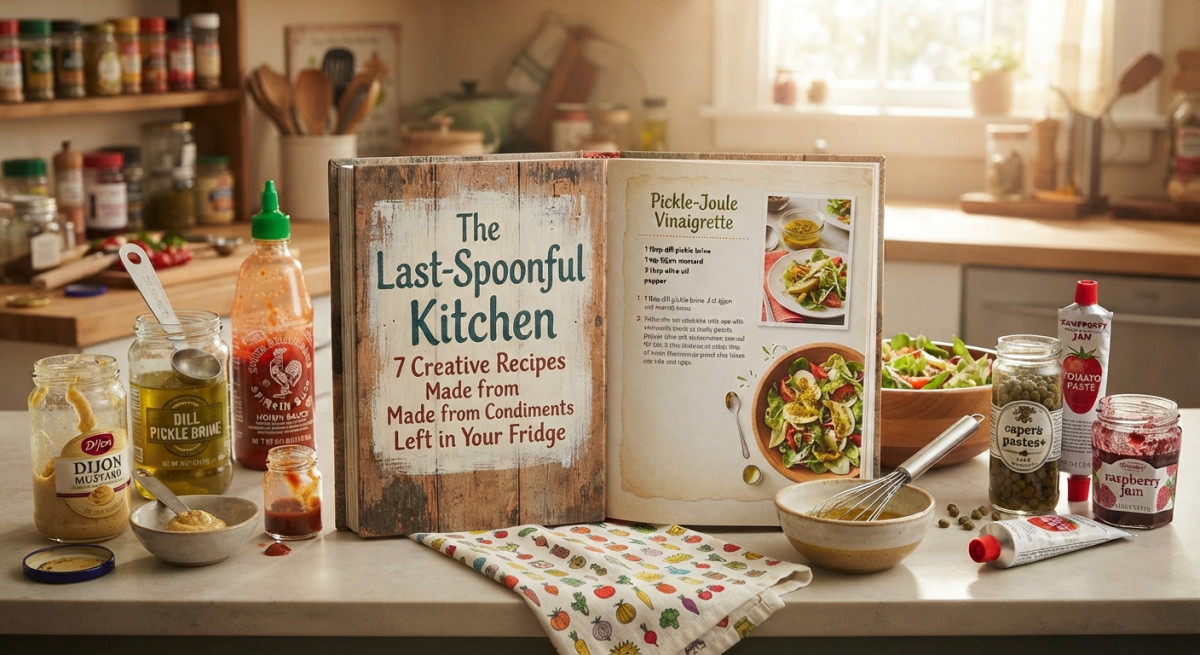
There is a familiar scene in almost every kitchen: a jar of mustard with one spoonful left, a nearly empty bottle of pesto, a little salsa stuck to the bottom of a container, and a peanut butter jar that looks finished but still has plenty of flavor hiding along its sides.
These containers often remain in the refrigerator for weeks. Eventually, someone decides there is not enough left to make anything useful and throws them away.
But what if those final spoonfuls were actually the beginning of a new meal?
Welcome to the last-spoonful kitchen, a way of cooking that starts with the condiments you already have rather than with a shopping list. Instead of asking what sauce belongs with a particular dish, you ask what dish could be created around the sauce.
A little mustard can become a salad dressing. The last traces of peanut butter can turn into a noodle sauce. Leftover salsa can give fried rice a completely different personality.
The idea is simple: use small amounts of flavorful ingredients to create something satisfying without buying an entirely new collection of groceries.
Here are seven creative recipes to try the next time you discover a nearly empty jar in your refrigerator.
1. The Almost-Empty Mustard Jar Salad Dressing
Best for: Dijon mustard, whole-grain mustard, or yellow mustard
<ins>Why it works</ins>
Mustard brings acidity, salt, and a little sharpness to a dressing. When only a small amount remains in the jar, you can turn the container itself into a mixing vessel.
Ingredients
-
1 tablespoon mustard remaining in the jar
-
3 tablespoons olive oil
-
1 tablespoon lemon juice or vinegar
-
1 teaspoon honey or maple syrup
-
1 small garlic clove, finely grated
-
A pinch of black pepper
-
Salt, if needed
-
1–2 teaspoons water, if necessary
Instructions
-
Add the olive oil, lemon juice, honey, garlic, and black pepper directly to the mustard jar.
-
Close the lid tightly.
-
Shake vigorously for 20–30 seconds until the ingredients combine.
-
Taste the dressing and adjust the acidity or sweetness.
-
Add a little water if the consistency is too thick.
-
Pour over a green salad, roasted vegetables, or a grain bowl.
Creative serving idea: Combine chopped apples, lettuce, walnuts, and cooked chicken or chickpeas. Finish with this dressing for a quick lunch.
Flavor variation: Add a little orange juice instead of lemon for a sweeter, citrus-inspired dressing.
2. The Last-Spoonful Pesto Pasta
Best for: Basil pesto, sun-dried tomato pesto, or spinach pesto
Pesto is one of the easiest sauces to transform into a meal. Even a thin layer left inside the jar can add plenty of flavor to pasta.
Ingredients
-
2 cups cooked pasta
-
1–2 tablespoons pesto remaining in the jar
-
2–3 tablespoons warm pasta water
-
½ cup cherry tomatoes, halved
-
¼ cup grated Parmesan cheese
-
1 tablespoon olive oil
-
Black pepper
-
Optional: spinach, mushrooms, or grilled chicken
Instructions
-
Cook your pasta according to the package instructions.
-
Before draining, reserve a small cup of pasta water.
-
Add the warm pasta water to the nearly empty pesto jar.
-
Close the lid and shake until the remaining pesto loosens into a sauce.
-
Heat olive oil in a pan and cook the cherry tomatoes for two minutes.
-
Add the pasta and the loosened pesto.
-
Toss everything together until the pasta is coated.
-
Finish with Parmesan and black pepper.
Creative serving idea: Add roasted mushrooms and spinach for a more substantial meal.
Flavor variation: A squeeze of lemon can brighten the sauce, especially when using a rich basil pesto.
3. Salsa-Rescue Breakfast Fried Rice
Best for: Tomato salsa, chunky salsa, or salsa verde
A small amount of salsa can bring tomatoes, onions, peppers, and seasoning together in one quick cooking ingredient. It is particularly useful when you have cooked rice waiting in the refrigerator.
Ingredients
-
1½ cups cooked, chilled rice
-
2–3 tablespoons leftover salsa
-
1 egg
-
½ cup diced vegetables
-
1 tablespoon cooking oil
-
1 green onion, chopped
-
Black pepper
-
Salt, if needed
-
Optional: shredded cheese or avocado
Instructions
-
Heat the oil in a frying pan over medium heat.
-
Add the vegetables and cook until slightly tender.
-
Move the vegetables to one side of the pan.
-
Crack the egg into the empty side and scramble it.
-
Add the rice and break up any large clumps.
-
Stir in the salsa and mix everything evenly.
-
Cook until the rice is heated through.
-
Add green onions and black pepper before serving.
Creative serving idea: Place the fried rice in a bowl and top it with avocado slices, fresh cilantro, or a little shredded cheese.
Flavor variation: Use salsa verde with corn and black beans for a different flavor profile.
4. The Nearly Empty Peanut Butter Jar Noodles
Best for: Smooth or crunchy peanut butter
Peanut butter is often difficult to remove completely from a jar. Instead of scraping it out with a spoon, use the container to prepare a quick noodle sauce.
Ingredients
-
2 cups cooked noodles
-
1–2 tablespoons peanut butter remaining in the jar
-
1 tablespoon soy sauce
-
1 tablespoon lime juice
-
1 teaspoon honey
-
1 teaspoon sesame oil
-
2–3 tablespoons warm water
-
½ teaspoon grated ginger
-
Chili flakes, according to taste
-
Chopped spring onions and sesame seeds for garnish
Instructions
-
Add soy sauce, lime juice, honey, sesame oil, ginger, and warm water to the peanut butter jar.
-
Close the lid and shake until the sauce becomes smooth.
-
Cook your noodles according to the package instructions.
-
Drain the noodles and transfer them to a bowl.
-
Pour the peanut sauce over the noodles.
-
Toss until every strand is coated.
-
Finish with spring onions, sesame seeds, and chili flakes.
Creative serving idea: Add shredded carrots, cucumber, and cooked tofu for a refreshing noodle bowl.
Flavor variation: Add a little coconut milk for a creamier sauce.
Allergy note: Peanut butter can be replaced with sunflower seed butter or another suitable seed butter.
5. Pickle-Brine Crispy Potato Salad
Best for: Cucumber pickle juice or other suitable vegetable pickle brine
Before pouring leftover pickle brine down the sink, consider using a small amount to season potatoes.
Its tangy flavor can provide acidity without requiring a separate vinegar-based dressing.
Ingredients
-
3 medium potatoes
-
2 tablespoons pickle brine
-
2 tablespoons mayonnaise or plain yogurt
-
1 teaspoon mustard
-
1 tablespoon olive oil
-
2 tablespoons chopped celery
-
1 tablespoon chopped fresh dill
-
Black pepper
-
Salt, if needed
Instructions
-
Wash and cut the potatoes into bite-sized pieces.
-
Boil them until fork-tender, then drain.
-
Allow the potatoes to cool slightly.
-
In a bowl, mix pickle brine, mayonnaise or yogurt, mustard, olive oil, and black pepper.
-
Add the potatoes and gently combine.
-
Stir in celery and fresh dill.
-
Taste before adding salt because pickle brine is already salty.
-
Serve warm or chilled.
Creative serving idea: Serve alongside grilled vegetables, sandwiches, or roasted chicken.
Flavor variation: Add chopped boiled eggs for a more filling potato salad.
6. Chili-Crisp Jar Vegetable Eggs
Best for: Chili crisp, chili oil, or a crunchy chili condiment
Chili crisp often leaves behind a combination of seasoned oil, chili pieces, and crunchy ingredients. A small amount can transform an ordinary egg dish.
Ingredients
-
2 eggs
-
1 teaspoon chili crisp remaining in the jar
-
½ cup chopped mushrooms or bell peppers
-
1 tablespoon cooking oil, if needed
-
1 tablespoon chopped green onion
-
A pinch of black pepper
-
Salt, if needed
Instructions
-
Heat a nonstick pan over medium heat.
-
Add the cooking oil if the chili crisp jar does not contain enough usable oil.
-
Add mushrooms or bell peppers and cook until tender.
-
Add the remaining chili crisp.
-
Crack the eggs into the pan.
-
Cook until the whites are set and the yolks reach your preferred safe doneness.
-
Finish with green onions and black pepper.
Creative serving idea: Place the eggs over warm rice or toast for a quick breakfast or lunch.
Flavor variation: Add a little soy sauce and sesame seeds for an Asian-inspired rice bowl.
7. The Last Spoonful of Jam Glazed Carrots
Best for: Orange marmalade, apricot jam, strawberry jam, or peach preserves
Jam does not have to be reserved for bread. Its sweetness can also become a simple glaze for vegetables.
A small amount of fruit preserves can balance the natural earthiness of roasted carrots.
Ingredients
-
3 medium carrots
-
1 tablespoon jam remaining in the jar
-
1 tablespoon olive oil
-
1 teaspoon lemon juice
-
½ teaspoon Dijon mustard
-
A pinch of salt
-
Black pepper
-
Optional: fresh thyme or parsley
Instructions
-
Preheat the oven to 400°F (200°C).
-
Wash, peel if desired, and cut the carrots into evenly sized sticks.
-
In the nearly empty jam jar, add olive oil, lemon juice, mustard, salt, and black pepper.
-
Close the jar and shake until the glaze combines.
-
Place the carrots on a baking tray and coat them with the glaze.
-
Roast for approximately 20–30 minutes, turning once, until tender and lightly caramelized.
-
Finish with fresh thyme or parsley.
Creative serving idea: Serve the glazed carrots with roasted potatoes, grilled tofu, or a grain bowl.
Flavor variation: Use orange marmalade and fresh thyme for a bright citrus flavor.
How to Create Your Own Last-Spoonful Recipes
You do not need a specific recipe every time you find a nearly empty jar. Once you understand how different condiments contribute flavor, you can start creating combinations of your own.
A useful approach is to think about four elements:
1. Identify the main flavor
Ask what the condiment contributes to the dish.
-
Mustard adds sharpness.
-
Pesto adds herbs, garlic, and richness.
-
Salsa adds acidity and vegetable flavor.
-
Peanut butter adds creaminess and nuttiness.
-
Pickle brine adds salt and acidity.
-
Chili crisp adds heat and texture.
-
Jam adds sweetness and fruit flavor.
2. Choose a suitable base
The base is the ingredient that turns the condiment into a meal.
| Leftover condiment | Possible base |
|---|---|
| Mustard | Salad, roasted vegetables, sandwiches |
| Pesto | Pasta, potatoes, bread |
| Salsa | Rice, eggs, beans |
| Peanut butter | Noodles, toast, oatmeal |
| Pickle brine | Potatoes, salad dressing |
| Chili crisp | Eggs, rice, vegetables |
| Jam | Carrots, toast, yogurt |
3. Balance the flavor
Sometimes a condiment is too salty, sweet, spicy, or rich to use by itself.
You can balance it with a few basic ingredients:
-
Lemon or lime juice for brightness.
-
Olive oil for richness.
-
Honey for sweetness.
-
Yogurt for creaminess.
-
Water for a thinner consistency.
-
Fresh herbs for freshness.
The goal is not to add everything. It is to add only what the flavor needs.
4. Consider texture
A good dish is not only about flavor. Texture makes a difference, too.
Try combining:
-
Creamy sauces with crunchy vegetables.
-
Soft rice with crisp toppings.
-
Roasted vegetables with fresh herbs.
-
Smooth dressings with toasted seeds.
-
Tender noodles with crunchy peanuts or vegetables.
These small contrasts can make a simple meal feel more interesting.
Kitchen Habits That Help Reduce Food Waste
Creative recipes are useful, but a few everyday habits can make it easier to use ingredients before they are forgotten.
Keep older jars visible. Place condiments that need attention near the front of the refrigerator.
Plan one flexible meal each week. A rice bowl, pasta dish, salad, or vegetable tray can be adapted to whatever ingredients remain.
Use smaller portions of strong flavors. Chili oil, mustard, and salty sauces can quickly overpower a dish. Start with a little and adjust.
Label homemade sauces. Write down when you prepared them so you can track their storage time.
Check food condition before using it. Do not use condiments with mold, unusual changes, damaged packaging, or signs of spoilage. Follow the manufacturer's storage instructions and discard anything whose safety is uncertain. Do not assume that cooking makes spoiled food safe.
For cooked leftovers and other perishable prepared foods, the USDA recommends refrigerating promptly, keeping the refrigerator at 40°F (4°C) or below, and using refrigerated leftovers within three to four days. Food left at room temperature for more than two hours should generally be discarded, or after one hour when temperatures exceed 90°F (32°C).
Conclusion: A Better Meal Can Begin with a Nearly Empty Jar
Good cooking does not always begin with a full refrigerator or an expensive shopping list. Sometimes, it begins with noticing what is already available.
A nearly empty jar of mustard can become a dressing. A little pesto can turn ordinary pasta into a satisfying meal. The final spoonful of peanut butter can become the foundation of a flavorful noodle sauce.
The last-spoonful kitchen is less about following strict recipes and more about developing the habit of looking at ingredients differently.
Before throwing away that next nearly empty jar, take a moment to consider what it could become. You might discover a new favorite meal in something you were about to discard.
Because sometimes, the most interesting ingredient in your kitchen is the one you almost forgot about.
Frequently Asked Questions
What's Your Reaction?
 Like
0
 Dislike
0
 Love
0
 Funny
0
 Wow
0
 Sad
0
 Angry
0










Comments (0)