

How to Create a Monthly Budget and Manage Your Money Effectively
Managing money effectively starts with understanding how much you earn, where your money goes, and what you want to achieve financially. This beginner-friendly guide explains how to create a monthly budget, organize expenses, manage debt, build savings, and develop better financial habits. Whether you are a student, employee, freelancer, or business owner, these practical budgeting strategies can help you make more informed financial decisions.


How to Create a Monthly Budget and Manage Your Money Effectively
Managing money is an important life skill, but many people find it difficult to understand where their income goes every month. Even when someone earns a reasonable salary, expenses, bills, unexpected costs, and financial commitments can make it challenging to save money.
The solution is not necessarily earning more. Sometimes, the first step toward improving your financial situation is learning how to manage the money you already have.
Creating a monthly budget can help you understand your spending habits, organize your financial responsibilities, prepare for unexpected expenses, and work toward long-term goals. It gives you a clearer picture of your finances and helps you make decisions based on your actual income.
Whether you are a student managing a limited allowance, an employee receiving a regular paycheck, a freelancer with changing income, or a family managing household expenses, a practical budget can make everyday financial decisions easier.
In this guide, you will learn how to create a monthly budget, track your expenses, save consistently, manage debt, and build healthier financial habits.
What Is a Monthly Budget?
A monthly budget is a financial plan that outlines how much money you expect to receive and how you intend to spend or save it during a month.
It generally includes three important elements:
-
Income: Money you receive from employment, business activities, freelance work, investments, or other sources.
-
Expenses: Money you spend on housing, food, transportation, utilities, subscriptions, education, and other needs.
-
Savings and financial goals: Money you set aside for emergencies, future purchases, investments, or other financial priorities.
A budget helps you compare your income with your expenses. If your spending is consistently higher than your income, you can identify where adjustments may be necessary.
A budget is not about eliminating every enjoyable expense. It is about making sure your spending reflects your priorities and that you have a realistic plan for your financial future.
Why Is Creating a Monthly Budget Important?
Many people make financial decisions without tracking their overall spending. Small purchases may not seem significant individually, but they can add up over time.
A monthly budget helps you understand these patterns and make more informed choices.
1. Understand Where Your Money Goes
One of the biggest advantages of budgeting is knowing exactly where your money goes.
You might discover that frequent restaurant visits, online purchases, subscriptions, or transportation expenses are taking up more of your income than expected.
Once you understand your spending habits, you can decide which expenses are necessary and which ones could be reduced.
2. Avoid Spending More Than You Earn
A budget helps you compare your income with your monthly financial commitments.
When your expenses exceed your income, you may need to reduce discretionary spending, review recurring bills, or explore ways to increase your earnings.
Identifying a problem early can help prevent continued reliance on borrowing or credit cards.
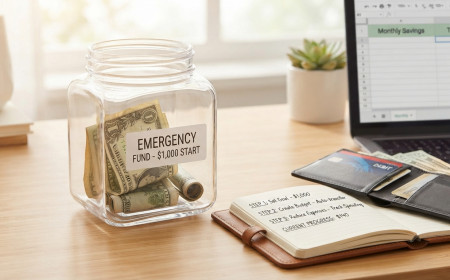
3. Build an Emergency Fund
Unexpected expenses can happen at any time. A medical bill, vehicle repair, home maintenance problem, or temporary loss of income can affect your financial stability.
Setting aside money regularly can help you prepare for these situations.
An emergency fund does not need to be built overnight. Starting with a small, manageable contribution can help establish a consistent savings habit.
4. Make Progress Toward Financial Goals
Budgeting makes it easier to plan for important financial goals, such as buying a home, paying for education, starting a business, traveling, or preparing for retirement.
Instead of saving whatever happens to be left at the end of the month, you can include savings as a planned part of your budget.
5. Reduce Financial Stress
Uncertainty about money can make everyday decisions stressful.
Having a clear understanding of your income, bills, savings, and upcoming expenses can make it easier to plan ahead and feel more prepared.
How to Create a Monthly Budget: 8 Practical Steps
You do not need expensive software or advanced financial knowledge to create a budget. A notebook, spreadsheet, or budgeting application can be enough.
Follow these eight steps to build a practical monthly budget.
Step 1: Calculate Your Total Monthly Income
Start by identifying how much money you actually receive each month.
If you are employed, use your take-home pay rather than your salary before taxes and payroll deductions. Your take-home pay is the amount available for your regular expenses and financial goals.
Include other reliable sources of income, such as:
-
Salary or wages
-
Freelance earnings
-
Business income
-
Rental income
-
Regular side-job earnings
-
Other recurring income
If your income changes every month, use a conservative estimate based on your recent earnings. Avoid building your regular budget around your highest-earning month.
For example, if your monthly take-home income is $3,500, that amount can serve as the starting point for your budget.
Step 2: List All Your Monthly Expenses
The next step is understanding how much you spend.
Review your bank statements, credit card statements, receipts, and payment history. Looking back over several months can help you identify expenses that do not occur every month.
Organize your expenses into categories.
Fixed expenses:
-
Rent or mortgage
-
Loan payments
-
Insurance premiums
-
Internet and phone plans
-
Regular subscription payments
Variable essential expenses:
-
Groceries
-
Electricity and water
-
Transportation
-
Fuel
-
Household supplies
-
Medical expenses
Discretionary expenses:
-
Restaurant visits
-
Entertainment
-
Shopping
-
Hobbies
-
Travel
-
Nonessential subscriptions
Remember to include less frequent expenses, such as annual insurance payments, vehicle maintenance, school costs, gifts, and holiday spending. You can estimate their monthly cost by dividing the expected annual amount by 12.
Step 3: Separate Needs From Wants
Not every expense has the same level of importance.
Needs are expenses that support essential living requirements, while wants are purchases that improve comfort, convenience, or enjoyment but are not essential.
For example:
| Needs | Wants |
|---|---|
| Housing | Premium subscriptions |
| Basic groceries | Frequent restaurant meals |
| Essential transportation | Luxury vehicle upgrades |
| Utilities | Entertainment purchases |
| Necessary healthcare | Nonessential shopping |
Some expenses can fall into either category depending on your circumstances. For example, a phone may be essential for work, while an expensive upgrade may be optional.
The purpose of this step is not to eliminate everything you enjoy. It is to understand which expenses deserve priority.
Step 4: Try the 50/30/20 Budgeting Rule
The 50/30/20 rule is a popular budgeting guideline that divides your take-home income into three broad categories.
-
50% for needs: Essential expenses such as housing, groceries, transportation, and utilities.
-
30% for wants: Entertainment, shopping, dining out, hobbies, and other discretionary spending.
-
20% for savings and debt repayment: Emergency savings, financial goals, and additional debt payments.
Here is an example using a monthly take-home income of $3,500.
| Category | Percentage | Monthly Amount |
|---|---|---|
| Needs | 50% | $1,750 |
| Wants | 30% | $1,050 |
| Savings and debt repayment | 20% | $700 |
| Total | 100% | $3,500 |
This is a starting guideline, not a financial rule that everyone must follow.
Someone living in an expensive city may need to spend more than 50% of their income on housing and essential expenses. A person with significant debt may choose to allocate more toward repayments.
Adjust the percentages to match your income, location, responsibilities, and financial priorities.
Step 5: Set Realistic Savings Goals
Saving money becomes easier when you have a specific reason for doing it.
Instead of setting a general goal to save more, decide what you are saving for and how much you need.
Examples include:
-
Building an emergency fund
-
Paying for education
-
Buying a vehicle
-
Saving for a house deposit
-
Starting a business
-
Preparing for retirement
-
Planning a major trip
Start with an amount that fits your budget. Even a small recurring contribution can help you develop consistency.
Consider keeping emergency savings separate from your everyday spending account. Make sure the money is accessible when needed and held in an appropriately secure account.
Step 6: Manage Existing Debt
Debt can make budgeting more challenging because monthly repayments reduce the money available for other priorities.
List all your debts, including:
-
Credit card balances
-
Personal loans
-
Vehicle loans
-
Student loans
-
Other outstanding obligations
Record the balance, interest rate, minimum payment, and due date for each debt.
Two common repayment approaches are:
Debt avalanche method: Focus on paying extra toward the debt with the highest interest rate while maintaining minimum payments on other debts. This approach can reduce the total interest paid.
Debt snowball method: Focus on paying off the smallest balance first while maintaining minimum payments on other debts. Clearing smaller balances can provide motivation to continue.
Choose an approach that you can maintain. Always consider the interest rates, repayment terms, fees, and any potential consequences of making extra payments.
Step 7: Track Your Spending Throughout the Month
Creating a budget is only the beginning. You also need to monitor whether your actual spending matches your plan.
You can track your spending using:
-
A spreadsheet
-
A budgeting application
-
A notebook
-
Your bank's spending tools
-
A simple expense-tracking document
Update your records regularly. Checking your spending once or twice a week can help you identify problems before the month ends.
For example, if your entertainment budget is $150 and you have already spent $130 halfway through the month, you can adjust your remaining plans.
The goal is to make your budget a practical tool rather than a document you create once and forget.
Step 8: Review and Adjust Your Budget Every Month
Your financial situation can change over time.
You might receive a salary increase, change jobs, move to a different city, take on new responsibilities, or experience higher living costs.
Review your budget at the end of each month.
Ask yourself:
-
Did I spend more than expected?
-
Which expenses increased?
-
Did I save the amount I planned?
-
Did I miss any upcoming or irregular expenses?
-
Do I need to change my financial priorities?
Use these answers to prepare a more realistic plan for the next month.
Practical Monthly Budget Example
Here is another example of how someone with a monthly take-home income of $4,000 might organize their expenses.
| Expense Category | Monthly Budget |
|---|---|
| Rent | $1,200 |
| Groceries | $400 |
| Utilities and internet | $180 |
| Transportation | $250 |
| Insurance and healthcare | $200 |
| Debt payments | $300 |
| Dining and entertainment | $200 |
| Shopping and personal expenses | $150 |
| Emergency savings | $300 |
| Long-term savings | $400 |
| Other expenses | $220 |
| Total | $3,800 |
In this example, $200 remains unallocated. It could provide a small buffer for unexpected expenses or be directed toward a financial goal.
These figures are illustrative, not recommended spending amounts. Actual expenses will vary depending on where someone lives, their household size, income, and financial responsibilities.
7 Budgeting Mistakes You Should Avoid
Even people who understand budgeting can develop habits that make their plans difficult to maintain.
Here are seven common mistakes to watch for.
1. Creating an Unrealistic Budget
A budget that assumes you will never eat out, shop, or spend money on entertainment may be difficult to follow.
Allow reasonable amounts for enjoyable activities so that your plan remains realistic.
2. Forgetting Small Expenses
Coffee, snacks, delivery fees, app subscriptions, and small online purchases can add up.
Track these expenses instead of assuming they are too small to matter.
3. Ignoring Irregular Expenses
Annual bills, medical costs, vehicle repairs, and holiday expenses can disrupt a budget when they are not planned for.
Set aside money regularly for expenses you know are likely to occur.
4. Saving Only What Is Left Over
If you wait until the end of the month to save, there may be little money remaining.
Consider including a manageable savings contribution in your budget from the beginning.
5. Depending Too Much on Credit Cards
Credit cards can be useful payment tools, but carrying balances and paying interest can make financial management more difficult.
Understand the interest rate, payment due date, fees, and repayment terms before using credit.
6. Not Reviewing Your Budget
A budget created several months ago may no longer reflect your actual financial situation.
Review it regularly and update it when your income or expenses change.
7. Comparing Your Finances With Other People
Everyone has different income levels, responsibilities, living costs, and financial goals.
Build a budget around your circumstances rather than trying to copy another person's lifestyle.
Best Tools to Help You Manage Your Monthly Budget
You do not need to purchase a premium financial application to manage your money. Several basic tools can help you organize your income and expenses.
Spreadsheet software: Google Sheets and Microsoft Excel can help you create a customized budget, calculate totals, and track spending.
Banking applications: Many banks provide transaction histories, spending categories, balance notifications, and payment reminders.
Budgeting applications: Dedicated budgeting apps can help organize transactions, monitor spending, and track financial goals. Review their fees, privacy policies, and account-connection permissions before using them.
Simple expense trackers: A notebook or basic mobile application can be enough if you prefer recording expenses manually.
Choose a tool that is easy to use consistently. The most effective budgeting system is one you can realistically maintain.
How to Build Better Financial Habits Over Time
Budgeting becomes more effective when it is supported by everyday financial habits.
Consider adopting these practices:
-
Review your bank statements regularly.
-
Pay essential bills on time.
-
Set reminders for upcoming payments.
-
Compare prices before making major purchases.
-
Avoid unnecessary recurring subscriptions.
-
Build emergency savings gradually.
-
Set clear short-term and long-term financial goals.
-
Learn about interest rates, credit, taxes, and investment risks.
-
Review your financial progress every month.
Financial stability usually develops through consistent decisions rather than one major change.
You do not need to make every decision perfectly. What matters is developing a system that helps you understand your money and respond to changing circumstances.
Conclusion
Creating a monthly budget is one of the most practical ways to improve your financial management. It helps you understand your income, control expenses, prepare for unexpected costs, and make progress toward meaningful financial goals.
You do not need a complicated financial system to get started. Begin by recording your income and expenses, identify your priorities, set realistic savings goals, and review your progress regularly.
Remember that a successful budget is not about restricting every purchase. It is about making informed financial decisions and using your money in ways that support the life you want to build.
Start with a simple plan this month. Small, consistent improvements can help create stronger financial habits over time.
Disclaimer: This article is for general educational and informational purposes only. It does not constitute individualized financial, tax, investment, or legal advice. Consider consulting a qualified professional for guidance based on your circumstances.
Frequently Asked Questions
What's Your Reaction?
 Like
0
 Dislike
0
 Love
0
 Funny
0
 Wow
0
 Sad
0
 Angry
0











Comments (0)