

Cheapest Cities in the World to Visit: 20 Affordable City Breaks for 2027
Looking for an exciting city break without spending a fortune? Explore 20 affordable cities around the world where travelers can discover historic neighborhoods, local food, cultural attractions, and memorable experiences while keeping everyday travel expenses manageable.

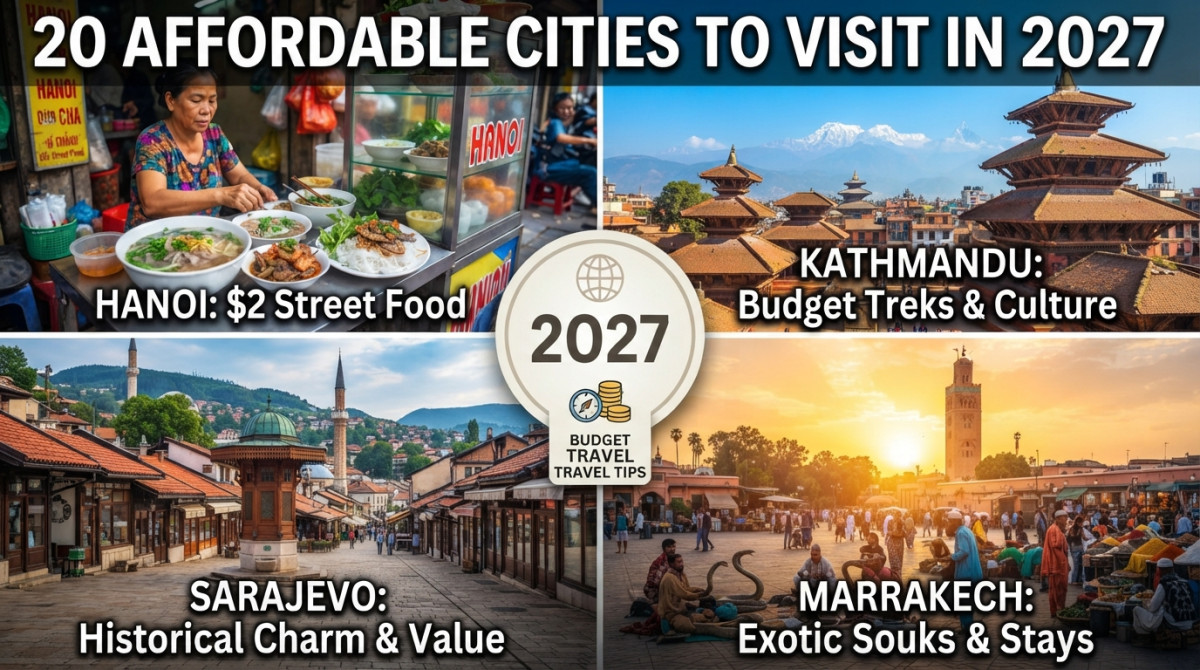
Traveling to an exciting international city does not always require an expensive hotel, luxury restaurants, or a large vacation budget. Some of the world's most memorable urban experiences can be found in places where local meals are affordable, public transportation is practical, historic neighborhoods are enjoyable to explore on foot, and cultural attractions do not require expensive admission tickets.
For travelers planning an international trip in 2027, choosing the right city can make a significant difference to the overall cost of a vacation.
A weekend in an expensive global capital might consume the same budget as several days exploring a less expensive destination. However, affordability is not simply about finding the cheapest hotel or restaurant. It is about what a destination offers in return for the money you spend.
Some cities provide excellent value through inexpensive street food and public transportation. Others offer free museums, historic architecture, lively markets, beautiful public spaces, and affordable accommodation.
This guide explores 20 affordable cities around the world for travelers in 2027, covering destinations across Asia, Europe, Africa, and the Americas. These are editorial selections based on their potential to offer rewarding experiences at comparatively accessible everyday prices—not an official global price ranking.
What Makes a City Affordable for Travelers?
Before choosing a destination, it is important to understand what actually determines the cost of a city break.
A city might have inexpensive restaurants but surprisingly expensive hotels. Another might have affordable accommodation but require visitors to spend considerably more on transportation and sightseeing.
For a realistic comparison, consider five major expenses:
-
Accommodation: Hostels, guesthouses, budget hotels, and affordable private rooms.
-
Food: Local restaurants, markets, street food, and inexpensive cafés.
-
Transportation: Public buses, metro systems, trains, and walkable neighborhoods.
-
Attractions: Museums, historical sites, public parks, cultural experiences, and guided tours.
-
Additional expenses: SIM cards, travel insurance, local taxes, entrance fees, and unexpected costs.
It is also important to consider when you travel. Prices can rise significantly during festivals, school holidays, major sporting events, and popular tourist seasons.
For example, an affordable city during the quieter months may become considerably more expensive during a major international event.
The following destinations are worth considering if you want to experience more without automatically choosing the world's most expensive tourist centers.
1. Hanoi, Vietnam
Hanoi is an excellent starting point for anyone looking for an affordable international city break. Vietnam's capital combines traditional neighborhoods, historic buildings, lively markets, and a food culture that makes exploring the city an experience in itself.
The Old Quarter is one of the most interesting areas to discover. Its narrow streets are filled with small shops, food vendors, cafés, and traditional businesses. Visitors can spend hours walking through the neighborhood without needing an expensive sightseeing itinerary.
Food is another reason Hanoi attracts budget-conscious travelers. Pho, banh mi, bun cha, and other Vietnamese dishes offer opportunities to enjoy local cuisine without relying on expensive international restaurants.
Things to experience in Hanoi:
-
Walk around Hoan Kiem Lake.
-
Explore the Old Quarter.
-
Visit the Temple of Literature.
-
Discover local markets and traditional cafés.
-
Try Vietnamese street food.
-
Explore the city's historic architecture.
Hanoi is especially suitable for travelers who enjoy culture, food, photography, and discovering everyday life in a different country.
Why it is affordable: Local dining, neighborhood exploration, and public transportation can help travelers manage everyday expenses.
2. Ho Chi Minh City, Vietnam
For travelers who prefer energetic modern cities, Ho Chi Minh City offers a different experience from Hanoi.
Formerly known as Saigon, this southern Vietnamese metropolis combines historic architecture, modern commercial districts, street markets, coffee shops, and an active nightlife scene.
The city has a distinctive atmosphere. Motorbikes move through crowded streets, small restaurants operate beside contemporary shopping centers, and traditional markets remain part of everyday life.
Visitors can explore the War Remnants Museum, admire the Central Post Office, discover local neighborhoods, and experience Vietnamese food culture.
Things to experience:
-
Visit the War Remnants Museum.
-
Explore Ben Thanh Market.
-
See the Central Post Office.
-
Discover traditional Vietnamese coffee shops.
-
Walk through the city's historic districts.
-
Explore local food markets.
Ho Chi Minh City is a good choice for travelers who want an active city break with plenty of food, culture, and urban experiences.
Why it is affordable: Local restaurants, neighborhood cafés, and inexpensive transportation options provide opportunities to keep daily spending under control.
3. Chiang Mai, Thailand
Chiang Mai offers a more relaxed alternative to Thailand's largest cities.
Located in northern Thailand, it is known for historic temples, mountain scenery, traditional markets, cafés, and a slower pace of life.
The Old City is particularly enjoyable for visitors who like walking. Temples, small restaurants, guesthouses, and independent shops are spread throughout the historic center.
Chiang Mai also offers opportunities to explore the surrounding countryside. Visitors can arrange trips to nearby mountains, waterfalls, and cultural attractions, although these activities should be included in the travel budget.
Things to experience:
-
Explore Wat Phra Singh.
-
Visit Wat Chedi Luang.
-
Walk through the Old City.
-
Explore the Sunday Walking Street Market.
-
Try northern Thai dishes such as khao soi.
-
Discover nearby natural attractions.
Why it is affordable: Local food, guesthouses, markets, and a relatively compact historic center can make Chiang Mai attractive for budget travelers.
Travelers should also consider seasonal air quality, particularly during periods when agricultural burning affects northern Thailand.
4. Phnom Penh, Cambodia
Cambodia's capital offers a combination of history, architecture, riverfront scenery, markets, and local food.
Phnom Penh is often less associated with international city breaks than some neighboring destinations, but it offers a meaningful experience for travelers interested in Southeast Asian history and culture.
The Royal Palace and Silver Pagoda are among its most recognizable attractions. The city's riverside area is also a popular place to walk, enjoy a meal, and observe everyday urban life.
For those interested in history, the Tuol Sleng Genocide Museum and Choeung Ek Memorial provide important opportunities to understand Cambodia's tragic history. Visitors should approach these sites respectfully.
Things to experience:
-
Explore the Royal Palace.
-
Walk along the Mekong Riverfront.
-
Visit the National Museum of Cambodia.
-
Discover Central Market.
-
Learn about Cambodian history at memorial sites.
-
Try traditional Khmer cuisine.
Why it is affordable: Local restaurants, markets, and modest accommodation can offer good value compared with many major international capitals.
5. Kathmandu, Nepal
Kathmandu deserves a place on any global list of affordable cultural city breaks.
Nepal's capital is an extraordinary destination for travelers interested in religious heritage, traditional architecture, local markets, mountain culture, and historical neighborhoods.
The city is also an important starting point for people planning trekking and mountain adventures. However, visitors do not need to leave Kathmandu to discover its cultural character.
Durbar Square, Swayambhu, Boudhanath, and Pashupatinath are among the best-known attractions in the Kathmandu Valley.
Local restaurants serve traditional Nepali dishes such as dal bhat, momo, and Newari specialties. Thamel offers a concentration of accommodation, restaurants, shops, and travel services.
Things to experience:
-
Explore Kathmandu Durbar Square.
-
Visit Boudhanath Stupa.
-
Discover Swayambhunath.
-
Experience traditional Newari food.
-
Walk through the streets of Patan and Bhaktapur.
-
Explore local markets and historic neighborhoods.
Why it is affordable: Local food, guesthouses, and cultural experiences can be accessible to travelers with modest budgets.
Visitors should remember that some heritage attractions have entrance fees, and transportation costs can increase when traveling between distant parts of the valley.
6. Jaipur, India
Jaipur, often called the Pink City, is one of India's most visually distinctive urban destinations.
Its historic architecture, colorful markets, palaces, forts, and traditional crafts create an experience that is very different from many modern international cities.
The city is especially attractive to travelers interested in history and photography. Its famous landmarks include Hawa Mahal, Amber Fort, City Palace, and Jantar Mantar.
Jaipur is also known for textiles, jewelry, handicrafts, and traditional Rajasthani food.
Things to experience:
-
Visit Amber Fort.
-
Photograph Hawa Mahal.
-
Explore City Palace.
-
Discover Jantar Mantar.
-
Shop in traditional markets.
-
Try dal baati churma and other Rajasthani dishes.
Why it is affordable: Visitors can find a broad range of accommodation and dining options, including inexpensive local restaurants and guesthouses.
Jaipur can be particularly rewarding for travelers who enjoy exploring historical destinations without relying entirely on expensive guided experiences.
7. Yogyakarta, Indonesia
Yogyakarta offers an appealing combination of Indonesian culture, traditional arts, history, and access to remarkable heritage attractions.
Located on the island of Java, the city is known for its connection to Javanese traditions, batik production, traditional performances, and historic sites.
The city itself is worth exploring, but its location also makes it a convenient base for visiting important temples.
Borobudur and Prambanan are among Indonesia's most significant cultural attractions. Travelers should check current entry arrangements, opening schedules, and transportation options before visiting.
Things to experience:
-
Explore Malioboro Street.
-
Visit the Sultan's Palace, known as the Kraton.
-
Discover traditional batik workshops.
-
Visit Prambanan Temple.
-
Plan a trip to Borobudur.
-
Try local dishes such as gudeg.
Why it is affordable: Local food, guesthouses, traditional markets, and relatively inexpensive everyday services make Yogyakarta attractive to budget-conscious visitors.
8. Kuala Lumpur, Malaysia
Kuala Lumpur demonstrates that a modern international city does not necessarily have to be expensive.
Malaysia's capital features impressive skyscrapers, shopping districts, cultural neighborhoods, religious landmarks, and an internationally recognized food scene.
The Petronas Twin Towers dominate the skyline, while neighborhoods such as Chinatown and Little India offer different cultural experiences.
Kuala Lumpur is also a convenient destination for travelers who want modern hotels, shopping, and public transportation without automatically paying the prices associated with cities such as Singapore or Hong Kong.
Things to experience:
-
See the Petronas Twin Towers.
-
Explore Batu Caves.
-
Visit Merdeka Square.
-
Discover Central Market.
-
Enjoy food in Jalan Alor.
-
Explore Chinatown and Little India.
Why it is affordable: The city offers a wide accommodation range, inexpensive local food, and a useful public transportation network.
Some premium attractions and shopping experiences can be expensive, so visitors should distinguish between free sightseeing and paid activities when planning their budget.
9. Tbilisi, Georgia
Tbilisi is one of the most interesting destinations for travelers looking beyond the traditional European city-break circuit.
Georgia's capital combines historic neighborhoods, colorful balconies, religious architecture, contemporary cafés, and dramatic landscapes.
The Old Town is particularly attractive, with narrow streets, traditional buildings, small restaurants, and historic churches.
Visitors can also experience Georgian food and hospitality. Traditional dishes such as khachapuri and khinkali are important parts of the local culinary experience.
Things to experience:
-
Explore Tbilisi Old Town.
-
Visit Narikala Fortress.
-
Walk across the Bridge of Peace.
-
Discover the sulfur bath district.
-
Ride the cable car for city views.
-
Try traditional Georgian food.
Why it is affordable: Local dining, public transportation, and a range of guesthouses and hotels can make Tbilisi a good-value city break.
Travelers should check current entry requirements and transportation arrangements before departure.
10. Sarajevo, Bosnia and Herzegovina
Sarajevo is one of Europe's most compelling destinations for travelers who want history, architecture, food, and culture without automatically choosing its more expensive capitals.
The city has a distinctive identity shaped by Ottoman, Austro-Hungarian, and modern European influences.
Its historic center, Baščaršija, is filled with traditional shops, cafés, mosques, and restaurants. Visitors can enjoy Bosnian coffee, explore the old streets, and learn about the city's complex history.
Sarajevo is also surrounded by mountains, creating opportunities for visitors who want to combine an urban break with outdoor activities.
Things to experience:
-
Explore Baščaršija.
-
Visit the Latin Bridge.
-
Discover Gazi Husrev-beg Mosque.
-
Try traditional ćevapi.
-
Visit museums documenting Sarajevo's history.
-
Enjoy views from the surrounding hills.
Why it is affordable: Sarajevo offers comparatively accessible accommodation, dining, and public transportation costs.
There is also a strong reason to consider it for 2027: the 2026 Post Office Travel Money City Costs Barometer identified Sarajevo as Europe's cheapest city break among the destinations it compared. Its study measured a basket of 12 tourist expenses for two people across 50 European cities, rather than comparing every possible travel expense worldwide.
11. Tirana, Albania
Tirana has become an increasingly interesting option for travelers looking for an affordable European city break.
Albania's capital offers colorful buildings, lively cafés, public squares, museums, and a growing restaurant scene.
Skanderbeg Square is the city's central gathering point, while the surrounding streets reveal a mixture of architectural styles and modern urban life.
Tirana is also a useful starting point for exploring other parts of Albania, including historic towns, mountain landscapes, and the Adriatic and Ionian coastlines.
Things to experience:
-
Explore Skanderbeg Square.
-
Visit the National Historical Museum, subject to its current operating status.
-
Discover Bunk'Art museums.
-
Walk through the Blloku neighborhood.
-
Explore the Grand Park.
-
Try traditional Albanian food.
Why it is affordable: Budget accommodation, local restaurants, and everyday services can offer good value compared with many Western European capitals.
Travelers planning to visit the Albanian coast should remember that popular seaside areas can become considerably more expensive during peak summer months.
12. Bucharest, Romania
Bucharest is a strong option for travelers interested in European architecture, food, museums, nightlife, and city exploration.
Romania's capital has a complicated and fascinating history. Its architecture includes elegant historic buildings, monumental structures, Orthodox churches, and modern developments.
The Old Town is a popular area for restaurants, cafés, and nightlife. Visitors can also explore parks, museums, and neighborhoods beyond the central tourist district.
Things to experience:
-
Visit the Palace of the Parliament.
-
Explore the Old Town.
-
Discover the Romanian Athenaeum.
-
Walk through Herăstrău, now known as King Michael I Park.
-
Visit the Village Museum.
-
Try traditional Romanian dishes.
Why it is affordable: Accommodation, meals, and public transportation can be more accessible than in many major Western European cities.
Bucharest also appeared near the top of the 2026 Post Office Travel Money city-cost comparison, making it a particularly relevant option for a 2027 European trip.
13. Sofia, Bulgaria
Sofia offers a relaxed European city break with historic architecture, museums, religious landmarks, parks, and access to nearby mountains.
Bulgaria's capital is an interesting destination for travelers who enjoy discovering cities that are not always the first choices on international tourism lists.
The city center contains Roman archaeological remains, Orthodox churches, historic public buildings, and contemporary restaurants.
Vitosha Mountain is another attraction. Depending on the season and conditions, visitors can plan a trip into the surrounding natural landscape.
Things to experience:
-
Visit Alexander Nevsky Cathedral.
-
Explore the ancient Serdica archaeological complex.
-
Walk along Vitosha Boulevard.
-
Discover the National Palace of Culture.
-
Visit local markets.
-
Explore Vitosha Mountain.
Why it is affordable: Sofia offers a range of budget accommodation, local restaurants, and public transportation options.
It is an appealing destination for travelers who want to experience European city life without limiting their itinerary to the continent's most expensive capitals.
14. Kraków, Poland
Kraków combines historic European architecture with a lively cultural atmosphere.
Its medieval Old Town, large central square, historic churches, museums, and traditional restaurants make it an attractive destination for visitors interested in architecture and history.
The city is also a convenient starting point for day trips to other parts of southern Poland.
Things to experience:
-
Explore the Main Market Square.
-
Visit Wawel Royal Castle.
-
Walk through the historic Jewish quarter of Kazimierz.
-
Discover St. Mary's Basilica.
-
Explore local food markets.
-
Consider a visit to the Wieliczka Salt Mine.
Why it is affordable: Kraków can offer better value than many of Europe's best-known tourist capitals, particularly when visitors choose accommodation outside the busiest central areas and use public transportation.
The city is not equally inexpensive throughout the year, so comparing accommodation prices before booking is important.
15. Belgrade, Serbia
Belgrade is a destination for travelers who enjoy lively cities, riverside neighborhoods, historical attractions, food, and nightlife.
Serbia's capital sits at the meeting point of the Danube and Sava rivers, giving it a distinctive urban setting.
The city combines historic fortresses, contemporary cafés, local markets, and a vibrant evening atmosphere.
Things to experience:
-
Explore Belgrade Fortress.
-
Walk through Kalemegdan Park.
-
Visit the Church of Saint Sava.
-
Discover Skadarlija.
-
Enjoy views of the Danube and Sava rivers.
-
Try traditional Serbian food.
Why it is affordable: Local dining, accommodation, and everyday services can offer good value compared with many popular European capitals.
Belgrade is a particularly interesting option for travelers who want a lively city break rather than a trip centered entirely on museums and historic monuments.
16. Istanbul, Türkiye
Istanbul is one of the world's most fascinating cities, bringing together European and Asian influences across the Bosphorus.
It is not necessarily among the cheapest destinations on this list, but it can provide considerable cultural value for travelers who plan carefully.
Historic mosques, traditional markets, waterfront neighborhoods, street food, and ferry journeys create a city experience that can fill several days.
The city's scale means visitors should plan their accommodation carefully. Staying close to a useful transportation connection can save time and reduce unnecessary travel expenses.
Things to experience:
-
Visit Hagia Sophia.
-
Explore the Blue Mosque.
-
Discover the Grand Bazaar.
-
Walk through the streets of Balat.
-
Take a public ferry across the Bosphorus.
-
Try Turkish breakfast, kebabs, and traditional desserts.
Why it is affordable: Visitors can combine inexpensive local food, public transportation, and free neighborhood exploration with selected paid attractions.
Currency fluctuations and inflation can affect local prices, so older online budget estimates should not be treated as reliable 2027 prices.
17. Marrakech, Morocco
Marrakech offers an unforgettable introduction to Moroccan culture, architecture, food, and traditional markets.
The historic medina is filled with narrow streets, courtyards, workshops, and small businesses. Jemaa el-Fnaa, the city's famous central square, becomes especially lively in the evening.
Visitors can explore traditional souks, admire historic buildings, and discover Moroccan cuisine.
Things to experience:
-
Explore Jemaa el-Fnaa.
-
Visit Bahia Palace.
-
Discover the souks.
-
Explore the Majorelle Garden.
-
Try traditional Moroccan tagine.
-
Visit traditional hammams.
Why it is affordable: Local food, guesthouses, markets, and traditional accommodation can make Marrakech an appealing destination for travelers with different budgets.
Visitors should agree on prices before purchasing goods or arranging informal services, and should use reputable guides when exploring unfamiliar areas.
18. Cairo, Egypt
Cairo is one of the world's most historically significant urban destinations.
Egypt's capital offers access to ancient monuments, museums, traditional markets, Nile River views, and a large variety of local dining experiences.
The Pyramids of Giza are the most recognizable attraction, but Cairo also has historic Islamic architecture, Coptic Christian heritage, and museums that help explain the country's long history.
Things to experience:
-
Visit the Pyramids of Giza.
-
Explore the Egyptian Museum or the Grand Egyptian Museum, checking current exhibitions and access arrangements.
-
Discover Khan el-Khalili market.
-
Visit historic mosques.
-
Enjoy a Nile River experience.
-
Try traditional Egyptian food.
Why it is affordable: Local food, budget hotels, and everyday services can be comparatively accessible, although major attractions, private transportation, and guided tours can add significantly to the cost.
Visitors should research current safety guidance, attraction arrangements, and reputable transportation before traveling.
19. La Paz, Bolivia
La Paz is a distinctive South American destination surrounded by dramatic mountain scenery.
Located at a high altitude, the city is known for its steep streets, traditional markets, striking landscapes, and unusual urban transportation system.
Its cable car network, Mi Teleférico, is more than a practical way to travel. It also provides impressive views across the city and surrounding mountains.
Travelers should allow time to adjust to the altitude before planning strenuous activities.
Things to experience:
-
Ride the Mi Teleférico cable car network.
-
Explore the Witches' Market.
-
Discover Plaza Murillo.
-
Visit local markets.
-
Explore traditional neighborhoods.
-
Enjoy views of the surrounding mountains.
Why it is affordable: Local dining, markets, and public transportation can offer good value for visitors.
The altitude is an important consideration. Travelers with health concerns should seek appropriate medical guidance before visiting high-altitude destinations.
20. Mexico City, Mexico
Mexico City may surprise travelers who assume that a major international capital must be expensive.
The city offers a remarkable combination of history, art, architecture, food, parks, museums, and cultural neighborhoods.
Visitors can spend days exploring different parts of the city without needing to purchase an expensive activity every few hours.
The historic center is home to important landmarks, while neighborhoods such as Coyoacán and Roma offer different atmospheres and experiences.
Things to experience:
-
Explore the Zócalo.
-
Visit the National Museum of Anthropology.
-
Discover Chapultepec Park.
-
Explore Coyoacán.
-
Visit the Frida Kahlo Museum with advance planning.
-
Try tacos, tamales, and traditional Mexican dishes.
Why it is affordable: Public transportation, local food markets, neighborhood restaurants, and free cultural spaces can help keep spending manageable.
Because Mexico City is enormous, choosing accommodation near the neighborhoods and attractions you plan to visit can save considerable time and transportation costs.
Comparison: 20 Affordable Cities for a 2027 Trip
The following table provides a quick overview of the destinations and the experiences they are best known for. It is not a strict ranking by price.
| City | Country | Best for |
|---|---|---|
| Hanoi | Vietnam | Street food and culture |
| Ho Chi Minh City | Vietnam | Urban energy and history |
| Chiang Mai | Thailand | Temples and relaxed travel |
| Phnom Penh | Cambodia | History and local culture |
| Kathmandu | Nepal | Heritage and mountain culture |
| Jaipur | India | Palaces and architecture |
| Yogyakarta | Indonesia | Temples and traditional arts |
| Kuala Lumpur | Malaysia | Modern city experiences |
| Tbilisi | Georgia | Historic neighborhoods and food |
| Sarajevo | Bosnia and Herzegovina | History and European culture |
| Tirana | Albania | Affordable European city breaks |
| Bucharest | Romania | Architecture and nightlife |
| Sofia | Bulgaria | History and mountain access |
| Kraków | Poland | Medieval architecture |
| Belgrade | Serbia | Nightlife and riverside scenery |
| Istanbul | Türkiye | History and cultural diversity |
| Marrakech | Morocco | Markets and Moroccan heritage |
| Cairo | Egypt | Ancient history |
| La Paz | Bolivia | Mountain scenery and local culture |
| Mexico City | Mexico | Museums, food, and urban culture |
How to Choose the Cheapest City for Your Travel Budget
The cheapest city is not necessarily the best destination for every traveler.
A city that offers inexpensive accommodation may have limited attractions that interest you. Another might have higher hotel prices but offer free museums, affordable public transport, and many activities within walking distance.
Here are several ways to make a better decision.
1. Compare the Total Trip Cost, Not Just Hotels
A cheap hotel does not automatically mean an inexpensive vacation.
Before booking, compare:
-
Accommodation for the entire stay.
-
Airport transfers.
-
Local transportation.
-
Meals and drinks.
-
Attraction tickets.
-
Travel insurance.
-
Additional fees and taxes.
A slightly more expensive hotel near the city center may actually reduce your overall spending if it allows you to walk to most attractions.
2. Travel Outside Peak Season
Travel dates can have a major effect on the cost of a city break.
Popular destinations often become more expensive during summer holidays, major festivals, and school vacations.
Traveling during shoulder seasons can sometimes provide a better balance of comfortable weather, fewer crowds, and more affordable accommodation.
However, check seasonal weather conditions before booking. Some destinations experience extreme heat, heavy rain, poor air quality, or other conditions that can affect the travel experience.
3. Eat Where Local Residents Eat
International restaurants and tourist-focused dining areas can be significantly more expensive than ordinary neighborhood establishments.
Exploring local markets, traditional restaurants, bakeries, and small cafés can help travelers experience authentic food while controlling expenses.
This does not mean choosing food solely because it is cheap. Look for clean, well-reviewed places that handle food safely.
4. Use Public Transportation
Airport taxis, private transfers, and repeated ride-hailing trips can quickly increase travel expenses.
Where practical, use metro systems, buses, trams, and local trains.
Some cities also offer visitor transportation passes. Compare the pass price with the cost of individual journeys before purchasing one.
5. Stay Longer in One Neighborhood
Changing hotels frequently can add transportation costs and consume valuable sightseeing time.
Choosing one well-connected accommodation base and exploring nearby attractions through day trips can be a more practical approach.
This strategy also gives travelers more time to understand a destination rather than rushing through it.
6. Check Entry Requirements Before Booking
Visa fees, travel authorization requirements, passport validity rules, and entry restrictions can change the total cost of an international trip.
Requirements depend on your nationality, passport, destination, and travel purpose.
Always check the destination's official immigration or government website before making non-refundable bookings.
How Much Money Do You Need for an Affordable City Break in 2027?
There is no single daily budget that accurately describes all 20 cities.
A backpacker staying in a hostel and eating local food will have very different expenses from a couple choosing a private hotel room, guided tours, and restaurant dining.
The following categories can help you estimate your spending style:
Budget traveler: Uses hostels or inexpensive guesthouses, relies on public transportation, eats mainly at local restaurants, and prioritizes free or low-cost attractions.
Comfortable budget traveler: Chooses modest private accommodation, combines local restaurants with occasional higher-priced dining, and pays for selected attractions.
Mid-range traveler: Prefers well-located hotels, more restaurant meals, private transportation when convenient, and a wider range of paid experiences.
When calculating your budget, remember that international flights are often a major expense. A destination with inexpensive hotels and food may still be expensive to reach from your home country.
For example, a traveler flying from North America may find that airfare to Southeast Asia costs more than several days of accommodation and meals combined.
This is why the best-value destination is not always the city with the lowest local prices. It is the destination that offers the strongest overall experience relative to your complete travel budget.
Which Affordable City Should You Visit?
Different destinations suit different travel styles.
-
For first-time Southeast Asia travelers: Hanoi offers a strong introduction to Vietnamese food, culture, and everyday city life.
-
For relaxed cultural travel: Chiang Mai offers temples, markets, and access to northern Thailand's landscapes.
-
For history lovers: Sarajevo and Cairo provide very different but deeply meaningful historical experiences.
-
For European city breaks: Tirana, Bucharest, Sofia, and Sarajevo deserve consideration.
-
For architecture and photography: Jaipur, Tbilisi, and Marrakech offer distinctive streetscapes and cultural settings.
-
For food lovers: Hanoi, Ho Chi Minh City, Istanbul, and Mexico City provide diverse culinary experiences.
-
For mountain scenery: Kathmandu and La Paz offer dramatic landscapes alongside urban exploration.
-
For modern city experiences: Kuala Lumpur and Mexico City combine major urban attractions with a wide range of everyday experiences.
The right choice depends on your travel dates, departure airport, interests, comfort expectations, and the amount you want to spend.
Final Thoughts: A Memorable City Does Not Have to Be Expensive
Some of the world's most rewarding travel experiences happen in places that do not appear on every luxury vacation list.
They happen in a small restaurant where a local dish becomes your favorite meal, in a historic neighborhood discovered without a tour guide, in a crowded market, or during an ordinary walk through a city you have never visited before.
Hanoi, Sarajevo, Kathmandu, Tbilisi, Marrakech, and the other destinations in this guide demonstrate that an international city break can offer history, culture, food, architecture, and unforgettable experiences without requiring a luxury travel budget.
The most important decision is not simply finding the cheapest city. It is finding a destination that matches your interests and gives you meaningful experiences for the money you spend.
Plan carefully, compare the complete trip cost, respect local communities, and leave room for unexpected discoveries.
Because the best city break is not necessarily the one where you spend the least. It is the one where every experience feels worth the journey.
Frequently Asked Questions
What's Your Reaction?
 Like
0
 Dislike
0
 Love
0
 Funny
0
 Wow
0
 Sad
0
 Angry
0













Comments (0)