

Why Traveling the World Is Important: 10 Life Changing Benefits
Traveling is more than visiting beautiful destinations. It offers opportunities to discover cultures, experience different lifestyles, develop new perspectives, and create memories that last a lifetime.

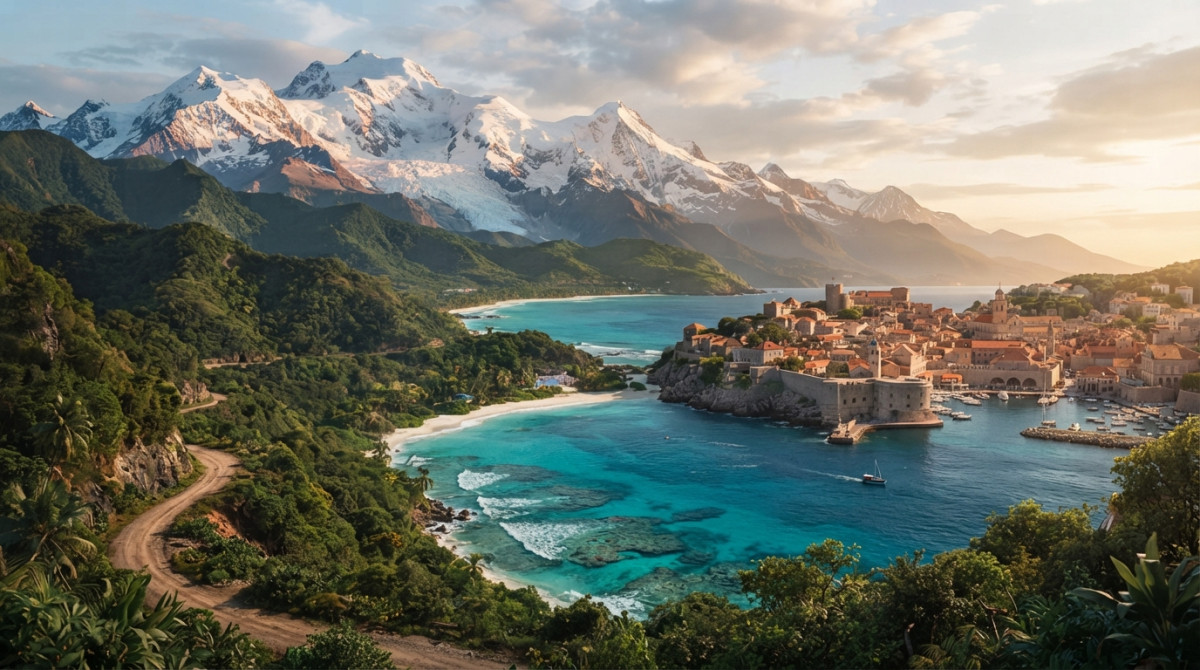
Traveling is one of the most rewarding experiences a person can have. It allows people to explore unfamiliar places, experience different cultures, meet new people, and discover perspectives beyond their everyday surroundings. Whether it is a weekend getaway, an international vacation, or a long journey across several countries, every travel experience has something unique to offer.
In today's interconnected world, traveling has become more than a leisure activity. It is an opportunity to learn, grow, build relationships, and better understand the world around us.
From walking through historic cities and exploring breathtaking landscapes to tasting traditional food and communicating with people from different backgrounds, travel creates experiences that cannot always be found in books or classrooms.
But why is traveling the world so important? Here are ten meaningful benefits that explain why exploring new destinations can make a lasting difference in our lives.
1. Discover Different Cultures and Traditions
One of the greatest benefits of traveling is the opportunity to experience different cultures firsthand.
Every country has its own traditions, languages, customs, celebrations, food, and ways of life. Visiting another destination allows travelers to understand how people live, what they value, and how their communities have developed over time.
For example, travelers visiting Japan may experience traditional tea ceremonies, historic temples, and distinctive cultural etiquette. A visit to India can introduce visitors to colorful festivals, diverse regional cuisines, and centuries-old traditions. Meanwhile, exploring Italy offers opportunities to discover historic architecture, local craftsmanship, and its celebrated food culture.
These experiences encourage people to appreciate cultural differences rather than judge them.
Travel also reminds us that although communities may have different customs and lifestyles, people everywhere share many common hopes, emotions, and aspirations.
2. Expand Your Knowledge Beyond Books
Traveling can be one of the most interesting forms of education.
Reading about a destination provides information, but visiting it allows you to experience its history, geography, architecture, and culture directly.
Walking through ancient historical sites, exploring museums, visiting national parks, and observing local communities can make learning more memorable.
For example, visiting the Great Wall of China offers a different understanding of its historical importance than simply reading about it. Exploring the ancient ruins of Rome helps travelers connect with the history of the Roman Empire.
Travel also teaches practical lessons, including navigation, communication, budgeting, problem-solving, and adapting to unfamiliar situations.
These experiences can help people develop knowledge and skills that are useful in everyday life.
3. Build Confidence and Independence
Traveling, particularly to unfamiliar destinations, often requires people to step outside their comfort zones.
Finding transportation, communicating in another language, managing travel expenses, and navigating unfamiliar streets can initially feel challenging.
However, successfully handling these situations can improve confidence and independence.
Solo travel can provide particularly valuable opportunities for personal development. Travelers learn to make decisions independently, take responsibility for their plans, and adapt when unexpected situations arise.
Even when traveling with friends or family, people encounter new challenges that encourage cooperation and decision-making.
Over time, these experiences can help individuals become more comfortable facing unfamiliar situations.
4. Explore the Natural Beauty of the World
The world offers extraordinary natural landscapes that deserve to be explored and appreciated.
From towering mountain ranges and tropical beaches to vast deserts, waterfalls, forests, and beautiful lakes, every destination has something special to offer.
Travelers can experience the snow-covered peaks of the Himalayas, explore the turquoise waters of the Maldives, witness the northern lights in Iceland, or discover the dramatic landscapes of the Grand Canyon in the United States.
Nature-based travel can also encourage people to develop a deeper appreciation for the environment.
Visiting protected natural areas, national parks, and wildlife habitats can help travelers understand the importance of conservation and responsible tourism.
Experiencing these places firsthand often creates a stronger connection with the natural world.
5. Improve Relationships and Create Lasting Memories
Traveling can bring people closer together.
Family vacations, trips with friends, romantic getaways, and group adventures create opportunities to spend meaningful time together away from everyday responsibilities.
Shared experiences, whether exploring a new city, trying unfamiliar food, or watching a beautiful sunset, often become memories people remember for years.
Travel can also help people meet new friends and build connections with individuals from different backgrounds.
Conversations with local residents, fellow travelers, and people encountered along the journey can sometimes develop into meaningful friendships.
These relationships are an important part of what makes travel memorable.
6. Experience New Food and Culinary Traditions
Food is an essential part of understanding a destination.
Every region has its own culinary traditions, ingredients, cooking techniques, and flavors. Traveling provides an opportunity to discover these differences through authentic local experiences.
Visitors to Thailand can explore its famous street food culture, while travelers in Mexico can discover regional dishes and traditional cooking methods. In Italy, local pasta and regional specialties offer a taste of the country's culinary heritage.
Food experiences can also introduce travelers to the history and traditions of local communities.
Trying unfamiliar dishes, visiting traditional markets, and learning about local ingredients can make a journey more exciting.
For many travelers, discovering new food becomes one of the highlights of visiting another country.
7. Reduce Everyday Stress and Refresh Your Mind
Daily responsibilities, work schedules, and personal commitments can sometimes make life feel repetitive.
Taking a trip can provide a welcome opportunity to step away from familiar routines and experience a different environment.
Spending time in nature, walking along a beach, exploring a new city, or enjoying a peaceful mountain destination can help people feel refreshed.
Travel is not a guaranteed solution for stress or mental health challenges, but a well-planned break may support relaxation and personal well-being.
The key is choosing a travel experience that matches your needs rather than creating unnecessary pressure through complicated itineraries or unrealistic expectations.
Sometimes, a simple weekend trip can be just as meaningful as an extended international vacation.
8. Develop a Global Perspective
Traveling helps people understand that the world is much more diverse and interconnected than their immediate surroundings might suggest.
Different countries have different economic conditions, educational systems, social structures, opportunities, and challenges.
Experiencing these differences can encourage travelers to think more openly about global issues and appreciate perspectives beyond their own communities.
For example, visiting a developing community may provide insight into local challenges and resourcefulness, while exploring a major international city can reveal how different cultures, businesses, and communities interact.
A broader global perspective can help people become more informed, understanding, and respectful of others.
9. Discover New Opportunities and Interests
Travel can introduce people to opportunities they may never have considered before.
Some travelers discover a passion for photography after visiting beautiful landscapes. Others become interested in history, architecture, outdoor adventures, food, or different languages.
International travel can also expose people to new professional and educational possibilities.
Meeting entrepreneurs, attending international events, exploring business environments, or visiting educational institutions may inspire new ideas.
For students and professionals, travel can provide valuable exposure to different industries, working environments, and ways of thinking.
Although travel does not guarantee career or business success, it can help people recognize interests and possibilities they might otherwise overlook.
10. Create Stories and Memories That Last a Lifetime
Material possessions may eventually lose their excitement, but meaningful experiences often remain part of our personal stories.
Travel creates opportunities to collect memories through unexpected discoveries, beautiful landscapes, interesting conversations, cultural experiences, and moments of adventure.
A sunrise viewed from a mountain, a meal shared with strangers, a walk through an unfamiliar neighborhood, or a journey through a historic town can become a treasured memory.
Not every travel experience needs to be extraordinary or expensive. Sometimes, the simplest moments become the most meaningful.
The value of travel is not measured only by the number of countries visited or photographs collected. It is also found in the experiences, lessons, and connections that stay with us long after returning home.
How to Make Your Travel Experiences More Meaningful
Traveling becomes more rewarding when you approach it with curiosity, preparation, and respect.
Here are some practical ways to make your journeys more meaningful:
Research your destination: Learn about local customs, transportation, weather, safety considerations, and important travel requirements before departure.
Respect local culture: Follow local traditions, respect religious sites, and be considerate of the communities you visit.
Try local experiences: Explore traditional markets, sample regional food, visit cultural attractions, and learn from local residents.
Travel responsibly: Avoid disturbing wildlife, reduce unnecessary waste, respect natural environments, and support responsible local businesses.
Create a realistic budget: Consider transportation, accommodation, meals, activities, insurance, and emergency expenses when planning your trip.
Stay flexible: Unexpected situations can happen during travel. Allow yourself enough time to adjust plans and enjoy spontaneous discoveries.
Keep meaningful memories: Photographs, travel journals, and personal notes can help you remember the experiences and lessons from your journeys.
Final Thoughts
Traveling the world is about much more than collecting passport stamps or visiting famous landmarks. It is about discovering different ways of life, understanding cultures, building relationships, developing confidence, and experiencing the extraordinary diversity of our planet.
Every journey offers an opportunity to learn something new, whether it is about another country, another community, or even yourself.
You do not need to visit dozens of countries or spend a fortune to experience the benefits of travel. Start with a destination that interests you, plan within your budget, and remain open to new experiences.
The world is full of places waiting to be discovered, stories waiting to be heard, and experiences waiting to become lifelong memories.
Sometimes, the greatest thing you bring home from a journey is not a souvenir, but a new perspective on life.
Frequently Asked Questions
What's Your Reaction?
 Like
0
 Dislike
0
 Love
1
 Funny
0
 Wow
0
 Sad
0
 Angry
0











Comments (0)